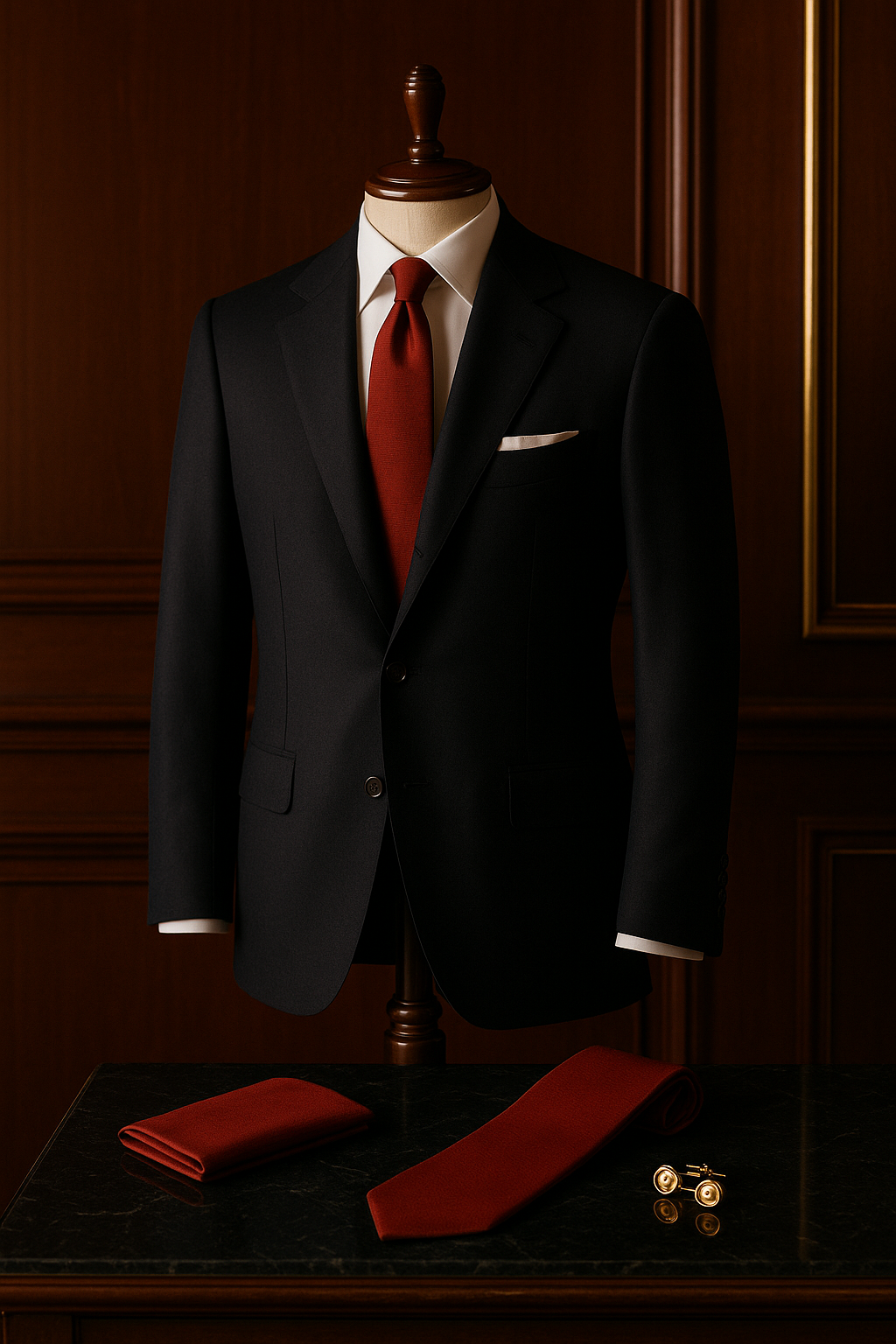
Brooks Brothers Business Strategy: Branding, Finance, and Marketing Analysis from a triumph 1818 Company.
Strategy Branding, Brooks Brothers, Fashion, Finance, Global, Leadership, Management, MarketingThe Brooks Brothers business strategy offers one of the most fascinating case studies in heritage branding, financial resilience, and luxury-sector reinvention. As the oldest clothing retailer in the United States, the company stands as a rare example of a legacy enterprise navigating the shifting tides of retail commerce while maintaining its signature old-money aesthetic. This strategic blend of tradition and innovation forms the foundation of the brand’s enduring presence, even as market competitors lean aggressively into trend cycles and fast-fashion tactics.
Brooks Brothers represents something more substantial, more architectural in its design philosophy. Its loyal audience—bankers, executives, statesmen, and generational families—seeks continuity rather than novelty. The brand’s strategy harnesses this desire. It turns stability into an asset and builds a powerful financial model around reliability, craftsmanship, and recognizable visual identity.
Within an industry that often chases ephemera, Brooks Brothers remains a masterclass in deliberate restraint.
Table of Contents
ToggleA Heritage Rooted in Consistency: The Brand Positioning Framework
Brooks Brothers has long understood that its power lies in the preservation of heritage. While many companies lean into disruption, Brooks Brothers leverages continuity as a business advantage. Its historical narrative—presidents dressed in the label, cultural influence across centuries, and the Ivy League uniform it unofficially created—serves as both a marketing tool and a competitive moat.
The company’s brand positioning rests on three foundational pillars:
1. Heritage as Value Proposition
Brooks Brothers distinguishes itself with an aesthetic that speaks to generational wealth and timeless sophistication. This “old-money uniformity” is neither accidental nor outdated—it is strategic. The brand’s product development stays anchored in classic tailoring, oxford cloth button-downs, and the unmistakable red-fleece logo. These recognizable features generate brand familiarity, which drives repeat business and reinforces customer trust.
2. Quality Over Novelty
While many retailers expand aggressively into seasonal trends, Brooks Brothers emphasizes materials, construction, and craftsmanship. This elevates pricing power and allows the brand to maintain premium margins in a competitive marketplace.
3. Controlled Reinvention, Not Reinvention Fatigue
Brooks Brothers practices what could be called “strategic modernization.” Digital enhancements, collaborations, and limited-edition collections introduce freshness without jeopardizing core identity.
This balance is essential to the Brooks Brothers business strategy and keeps the brand from drifting into the volatility of trend-conformity.
Financial Structure: A Discipline Built on Stability
A brand that markets tradition must finance it with equal discipline. Brooks Brothers follows a financial strategy centered on sustainability and long-term growth rather than rapid expansion. The business has historically prioritized:
1. Multi-Channel Revenue Architecture
Brooks Brothers integrates retail, outlet, e-commerce, and wholesale channels, creating diversification that cushions market fluctuations. Their retail footprint remains tailored rather than bloated, enabling consistent revenue without over-leveraging physical infrastructure.
2. Premium Pricing Power
Classical tailoring commands premium margins, which Brooks Brothers strategically maintains. By not participating in aggressive discount cycles, the company preserves brand equity and financial health simultaneously.
3. Controlled Vertical Integration
Where beneficial, Brooks Brothers invests in supply-chain components that increase quality control and reduce volatility, while outsourcing non-core production for efficiency.
4. Asset-Smart Store Strategy
Brooks Brothers optimizes store formats by aligning them with regional demographics. High-net-worth markets receive flagship-style experiences; outlets satisfy aspirational audiences without diluting brand prestige.
The result is a financial structure anchored in resilience.
Marketing: Storytelling With a Century-Long Arc
Brooks Brothers succeeds not because it markets aggressively, but because it markets intelligently. Its approach communicates refinement and stability, using storytelling tactics that reinforce legitimacy.
Narratives Built on History
The centerpiece of their marketing strategy is heritage storytelling. Rather than reinventing itself yearly, the brand highlights its past—presidential wardrobes, East Coast institutions, mid-century American style, and the legacy of craftsmanship.
Modern Channels, Classic Voice
Though rooted in tradition, Brooks Brothers participates in contemporary digital marketing through refined social media campaigns, influencer partnerships with classic-leaning creators, and editorial-driven content on style heritage.
Their tone remains consistent regardless of channel: polished, understated, and aspirational.
Customer Segmentation Through Identity
The brand markets to distinct segments:
-
The executive professional
-
The multi-generational loyalist
-
The aspirational consumer seeking elevated style
-
The heritage-minded fashion enthusiast
Each segment receives a bespoke marketing message while keeping aesthetics cohesive.
Product Strategy: Iconic Uniforms with Strategic Evolution
Brooks Brothers’ product ecosystem operates like a well-choreographed orchestra. Nothing is rushed; nothing is reactionary. Each category supports brand identity:
1. Tailoring as the Foundation
Suits remain the core profit driver, supported by shirts, ties, and accessories. These products define the brand’s essence and anchor cross-category sales.
2. American Sportswear as Expansion Vehicle
The brand integrates casualwear—knitwear, outerwear, chinos—to broaden the audience while protecting its tailored heritage.
3. Strategic Collaborations
Partnerships introduce fresh energy and media relevance while attracting younger consumers without compromising identity.
4. Seasonal Capsules, Not Trend Chasing
Capsules reinterpret classics rather than replace them, allowing the brand to stay current without abandoning its legacy.
Digital Transformation in a Heritage Context
Modern retail demands digital fluency, even from legacy brands. Brooks Brothers integrates technology through:
E-Commerce Evolution
A refined online shopping experience mirrors the in-store atmosphere, with editorial content guiding buyers toward complete looks and informed styling choices.
Data-Driven Merchandising
Customer data informs inventory planning, reducing excess stock and maintaining financial efficiency.
Global Audience Engagement
Digital channels allow Brooks Brothers to extend its heritage narrative worldwide, connecting with international consumers who associate the brand with American prestige.
Operational Strategy: Efficiency Wrapped in Elegance
Behind the polished branding lies an operational model engineered for longevity.
Supply Chain Stewardship
Brooks Brothers balances tradition with modern efficiencies, ensuring reliable quality and predictable costs.
Streamlined Merchandising Cycles
Their product calendar reflects consistency rather than seasonal chaos, improving sell-through rates.
Customer-Centric Service Model
Personalized tailoring services, expert in-store associates, and long-standing relationships with loyal customers elevate the brand to a service-driven luxury environment.
Risk Management: Protecting a Heritage Asset
Unlike trend-based competitors, Brooks Brothers protects its identity by avoiding over-extension. Key risks include:
-
Fashion cycle volatility
-
Global economic downturns
-
Supply chain instability
-
Over-reliance on physical retail
However, the company manages these risks through diversification, efficient financial planning, and a strong brand moat.
Strategic Takeaway: A Blueprint for Legacy Brands
The Brooks Brothers business strategy demonstrates that heritage, when harnessed with intelligence, can be one of the strongest competitive advantages in luxury retail. By combining disciplined finance, an unwavering commitment to identity, and modern marketing sophistication, the brand sustains relevance through centuries rather than seasons.
This is not a company chasing the future; it is a company shaping it through the past.
